Post by @stefano
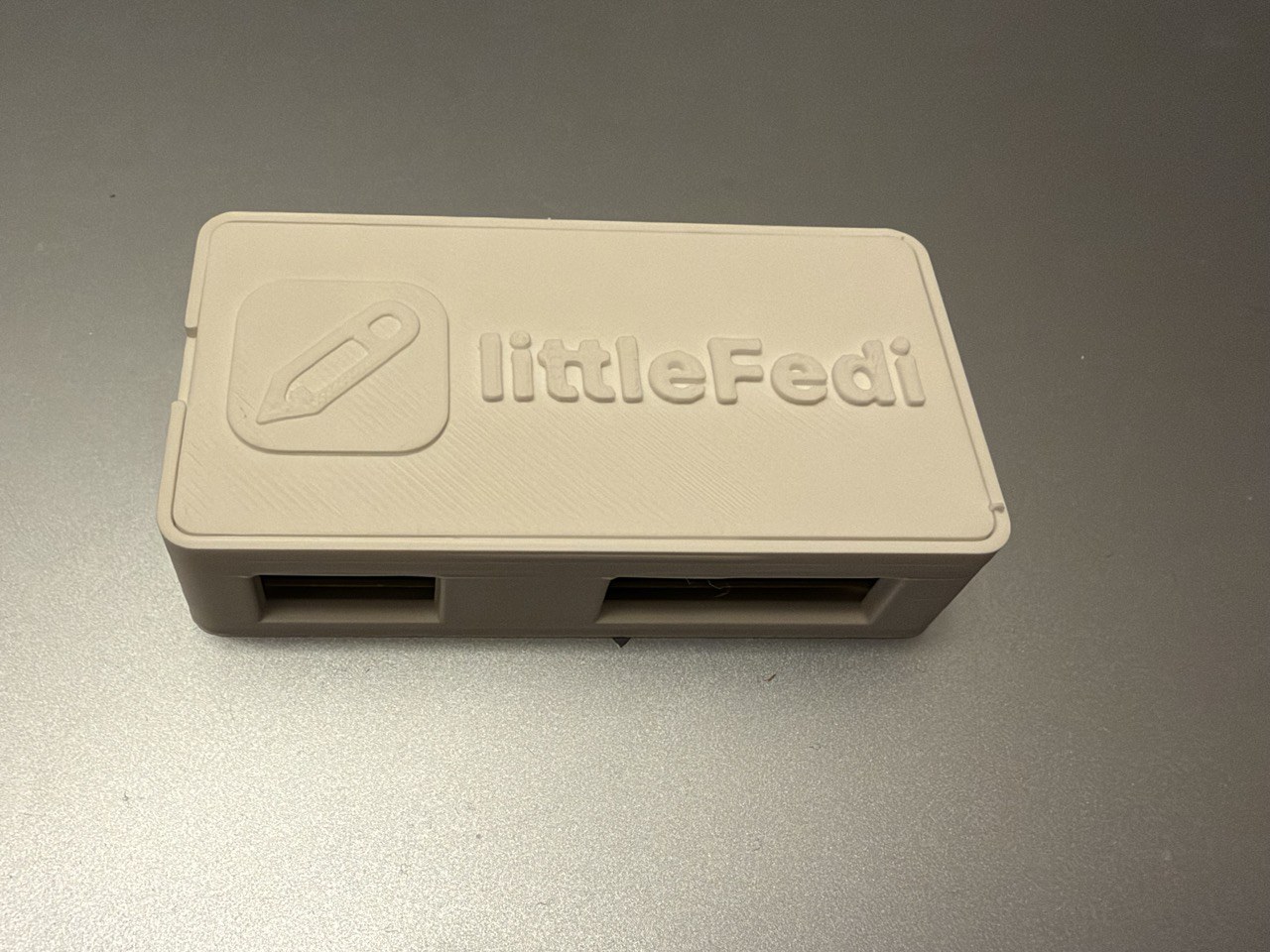
littleBox 2.0!

The only point to cover is:
1. how to (auto)configure TCP forwarding on the home router attached.
2. how to (auto)configure DDNS on some remote DDNS provider.
Then IMHO you have a product.
1. how to (auto)configure TCP forwarding on the home router attached.
2. how to (auto)configure DDNS on some remote DDNS provider.
Then IMHO you have a product.
@uriel@x.keinpfusch.net I have had already implemented an A/B solution powered by NetBSD and have the entire littleMesh infrastructure ready for this. I've had to remove the clear mentions of it from the code before the first release. There's one big stopper at the moment: the shortage/high prices of those SBC devices.
There's one big stopper at the moment: the shortage/high prices of those SBC devices.
Why sell them? This should be an option. The customer should be free to choose, about downloading it (the image to put on some sd card), via torrent, or having the full box.
In that case (hosting with *BSD and so and so), you solved the issue already.
You could offer DDNS and a tcp tunnel, in exchange for a small fee subscription... people downloads, and then install, and then unlock the license. In that way , you could even offer presence and topology for instances to find each others.
You could offer DDNS and a tcp tunnel, in exchange for a small fee subscription... people downloads, and then install, and then unlock the license. In that way , you could even offer presence and topology for instances to find each others.
@uriel@x.keinpfusch.net exactly! That's the idea. Some tiers: 1) box only 2) box and sd card for your platform (but must be one of the platforms I already have, so I can test it).
The A/B solution I've implemented is interesting, as NetBSD lacks it natively. But it's the only way to assure safe remote upgrades.
well, i see the design, and it makes very sense. Good luck!
Just for my curiosity, have you check the price of some
https://odroid.nl machines? Most of them can run NetBSD and OpenBSD (freebsd support is scarce)
Just for my curiosity, have you check the price of some
https://odroid.nl machines? Most of them can run NetBSD and OpenBSD (freebsd support is scarce)